Tumor Immunology · Lymphatic Biology · Translational Oncology

How does the lymphatic system organize antitumor immunity?

Saddawi Laboratory

University of California San Diego

About the lab

A connected view of cancer immunity

Antitumor immunity is organized through a connected network spanning the tumor, lymphatic vessels, tumor-draining lymph nodes, and systemic circulation. The Saddawi Laboratory studies how this network shapes tumor-reactive T-cell fate, cancer development, treatment response, and durable immune protection in head and neck cancer.

Our work connects fundamental discovery with a translational program spanning cancer interception and cancer intervention. We study high-risk premalignant lesions, established tumors, regional lymph nodes, and longitudinal immune responses to identify actionable mechanisms and biomarkers that can guide when, where, and how treatment is delivered.

We combine mechanistic models with human tumors, lymph nodes, blood, and functional tissue systems. Our long-term goal is to develop immune-informed strategies that preserve useful nodal function, improve treatment sequencing, and generate more durable antitumor immunity.

People

Principal investigator

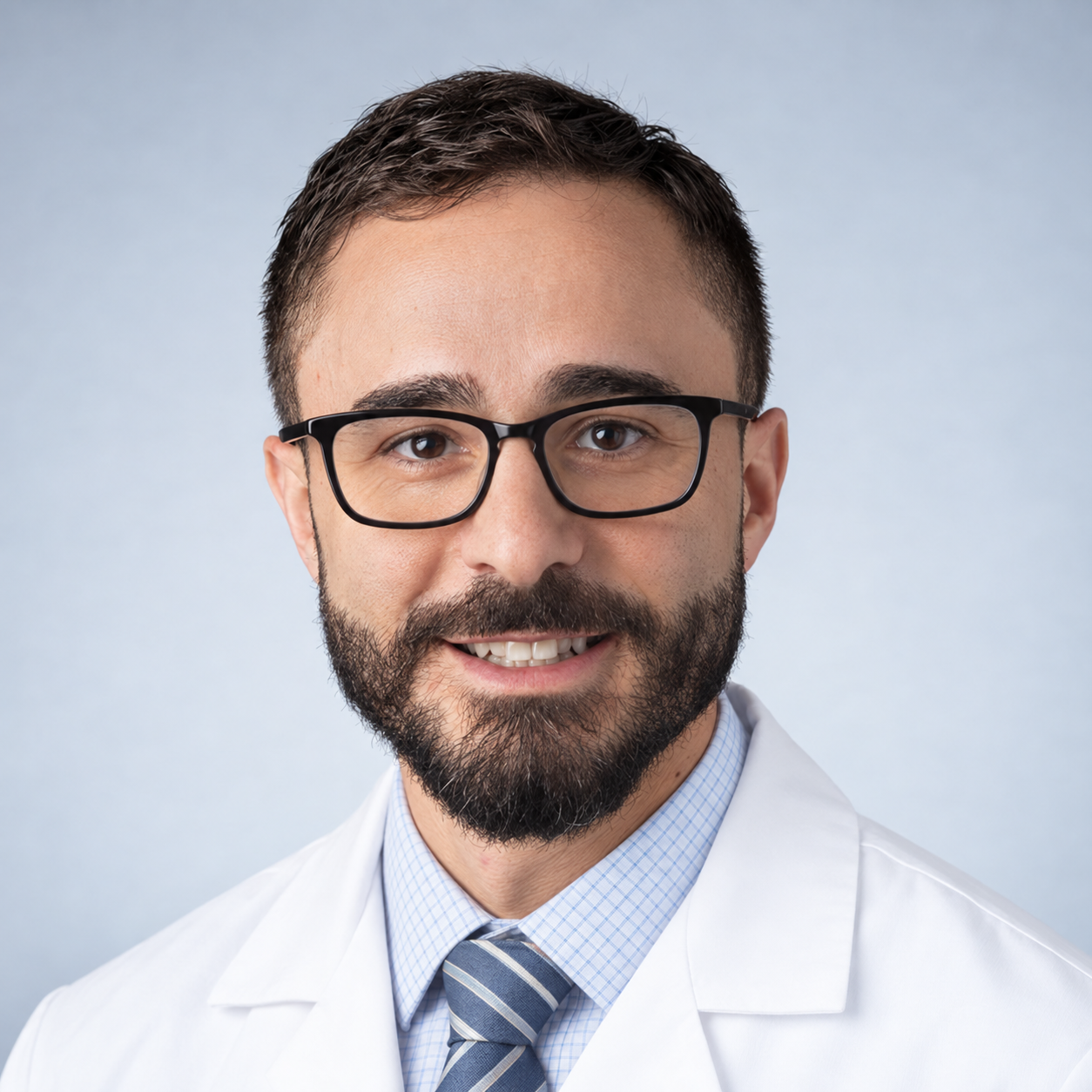
Robert Saddawi-Konefka

Robert Saddawi-Konefka, MD, PhD

Head and neck surgical oncologist and tumor immunologist

Robert is an Assistant Professor in the Department of Otolaryngology–Head and Neck Surgery at UC San Diego. His laboratory studies how lymphatic vessels and tumor-draining lymph nodes shape cancer immunity, with an emphasis on treatment sequencing, cancer interception, and biomarker-guided translation.

He completed residency training at UC San Diego and advanced fellowship training in Head and Neck Surgical Oncology at MD Anderson Cancer Center.
Research

Four questions organize our work

Antitumor immune responses are coordinated across tumors, lymphatic vessels, tumor-draining lymph nodes, and circulating immune cells. We study this biology within individual lymph-node environments and across the regional lymphatic basin.

01T-cell fate

Where and when is tumor-reactive T-cell fate programmed?

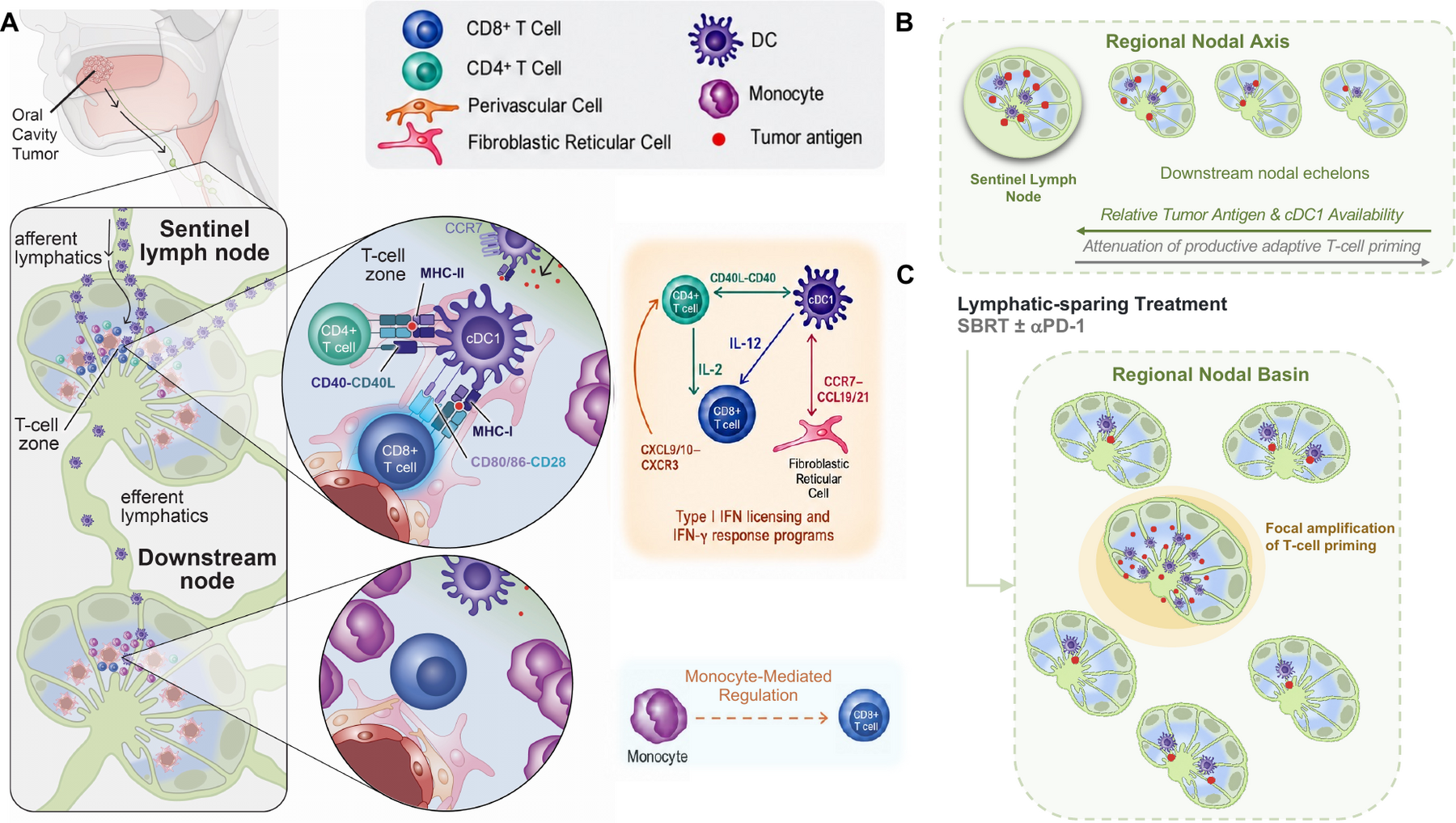
Tumor-reactive T cells participate in a connected response spanning the primary tumor, sentinel lymph node, downstream lymph nodes, and blood. By mapping immune states and shared T-cell clonotypes across these compartments, we define how nodal position and treatment context shape T-cell activation, differentiation, and persistence.

This work examines the sentinel lymph node as a principal site of adaptive immune priming and explores how therapy can coordinate productive immunity across the regional nodal basin.

Working model of immune priming across the sentinel lymph node and downstream regional nodal basin
Working model of the tumor-draining nodal axis.
02Nodal niches

Which cellular interactions generate productive nodal immunity?

Within lymph-node T-cell zones, antigen-bearing dendritic cells interact with CD4+ and CD8+ T cells, inflammatory monocytes, stromal cells, and vascular structures. The spatial organization of these cells helps determine the quality and durability of the resulting immune response.

Our published work demonstrates that CCR7+ dendritic-cell migration to the sentinel lymph node is required for T-cell clonal expansion and effective antitumor immunity. We now investigate how cDC1-centered cellular networks support progenitor-like T-cell states, effector differentiation, immune memory, and therapeutic response.

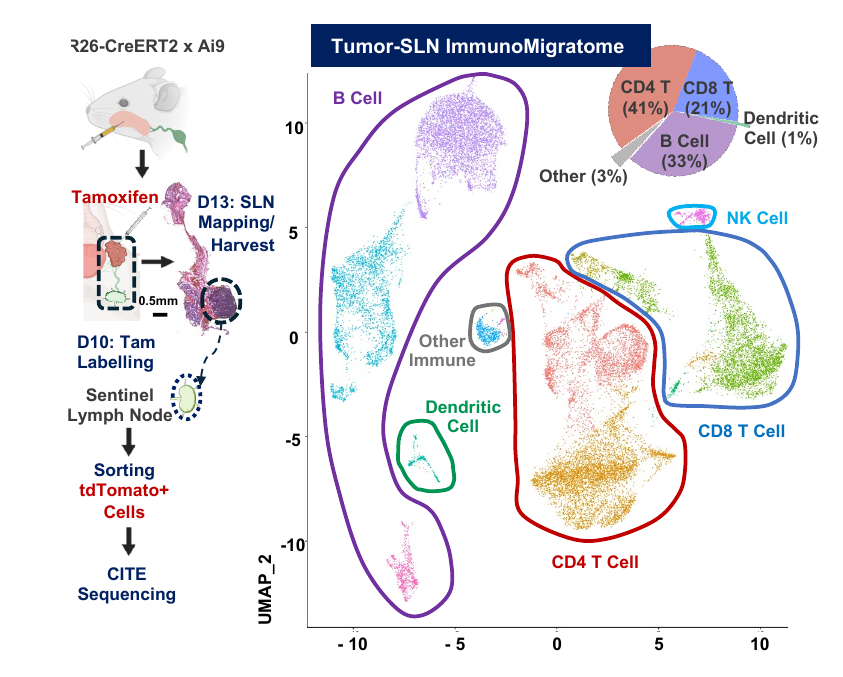
Lineage-tracing workflow and single-cell map of immune cells migrating from tumor to sentinel lymph node
The tumor-to-sentinel-node immunomigratome.Nature Communications, 2025
03Treatment sequence

How can treatment preserve and strengthen nodal immunity?

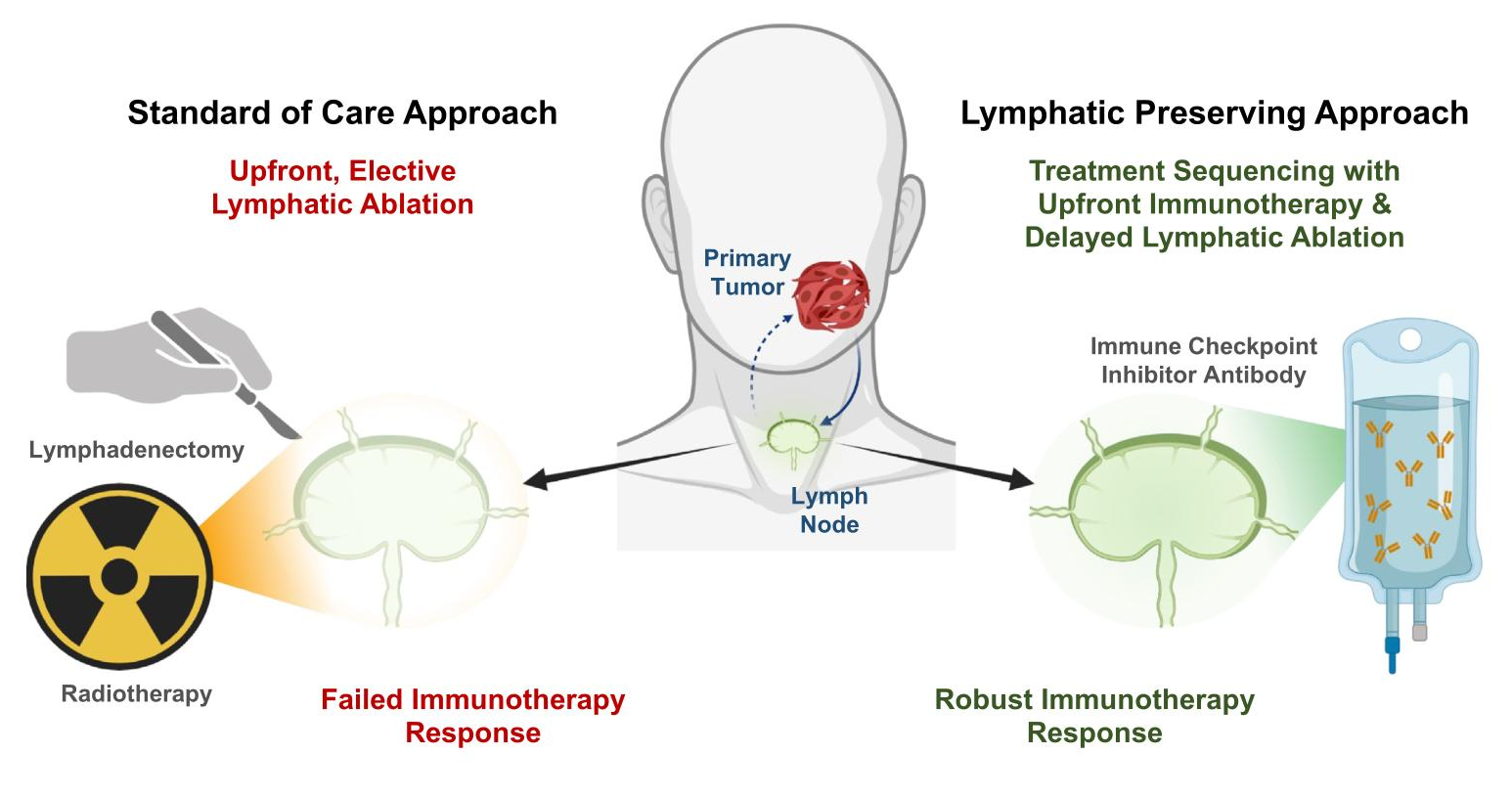
Treatment sequencing creates an opportunity to engage the tumor-draining lymphatic basin while it remains immunologically active. We study how the timing of immunotherapy, radiation, and surgery influences dendritic-cell migration, antigen presentation, T-cell expansion, and systemic antitumor immunity.

Our goal is to develop treatment strategies that preserve useful nodal function, coordinate regional and systemic immune responses, and maintain rigorous oncologic control.

Comparison of upfront lymphatic ablation and lymphatic-preserving treatment sequencing
Engaging an intact nodal response through treatment sequencing.Cancer Cell, 2024
04Cancer interception

How can immune biology guide cancer interception and intervention?

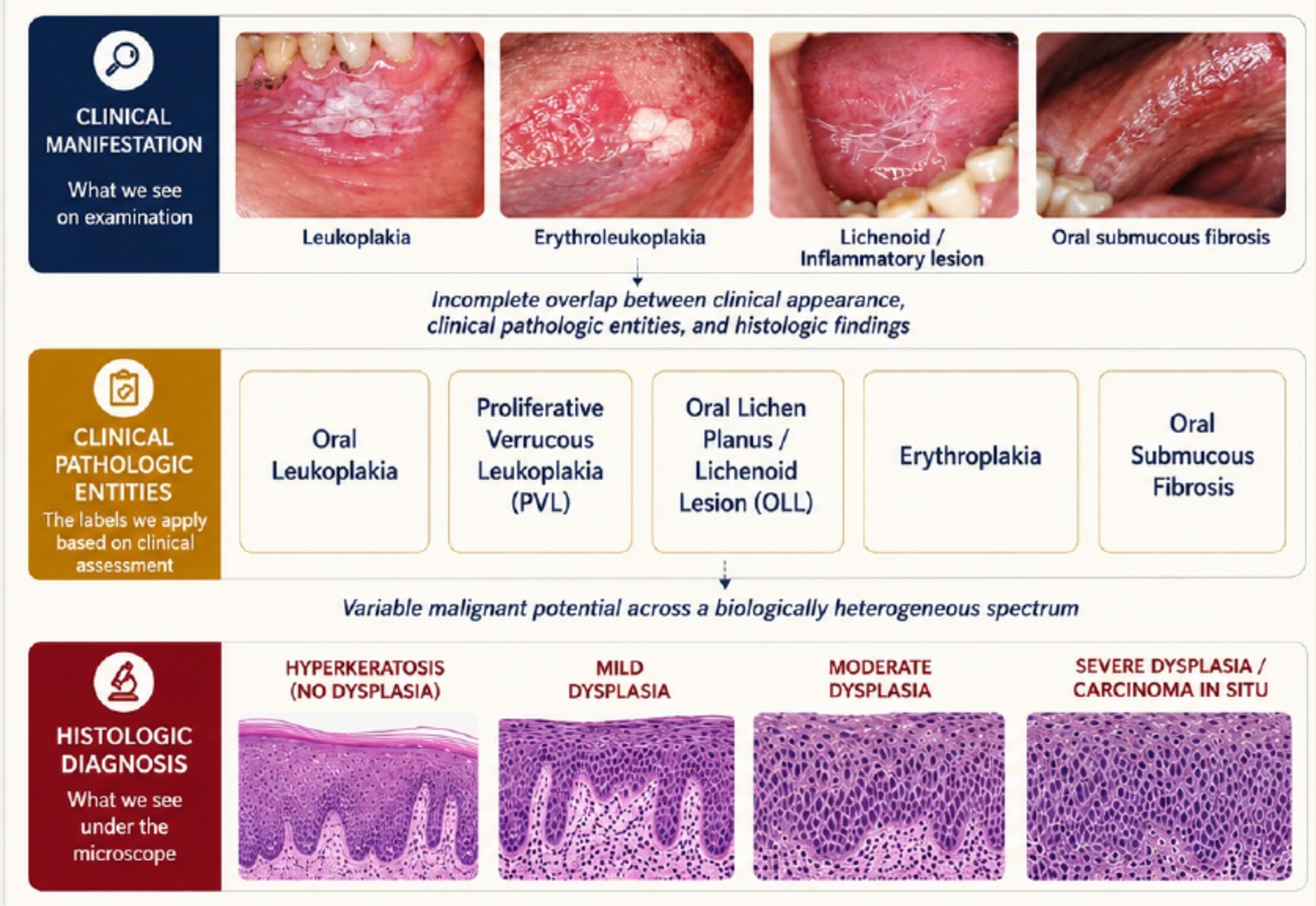
We translate mechanistic discoveries into clinically actionable strategies across the cancer continuum. In high-risk premalignant disease, we investigate local immunotherapy as a platform for cancer interception and for understanding early immune responses within human tissues. In established cancer, longitudinal blood and oral biospecimens provide accessible windows into treatment response and immune-repertoire dynamics.

Human lymph-node explants, organoid systems, and deeply annotated clinical specimens allow us to reconstruct immune interactions and test candidate interventions directly. Together, these approaches connect biological discovery with biomarker development, patient selection, treatment sequencing, and new therapeutic strategies.

Clinical and histologic spectrum of oral premalignancy from hyperkeratosis through increasing grades of dysplasia
Clinical presentation and histologic progression in oral premalignancy.

Publications

Recent work

Research and reviews

2026
PNAS

Exploiting the CXCR3/CXCL10 axis overrides tumor immune suppression by enhancing immune trafficking and effector cell priming in HNSCC

2026
PLOS One

CD47 blockade (ALX301) enhances immunoradiotherapy response in HPV-negative head and neck squamous cell carcinoma

2026
Advanced Science

β-Adrenergic signaling promotes antitumor immunity in TP53-mutant oral squamous cell carcinoma

2026
Immunotherapy

Cancer-induced neuronal injury as a driver of immunotherapy resistance

2025
Nature Communications

In vivo CRISPR screening in head and neck cancer reveals UCHL5-mediated modulation of extracellular matrix deposition and immune evasion

2025
Nature Communications

Longitudinal liquid biopsy identifies an early predictive biomarker of immune checkpoint blockade response in head and neck squamous cell carcinoma

2025
Advanced Science

Interactions of antibody-drug conjugate anti-tubulin and topoisomerase I inhibitor payloads with radiotherapy to potentiate immunotherapy

2025
Journal of Experimental Medicine

The XCL1-XCR1 axis supports intestinal tissue residency and antitumor immunity

2025
Frontiers in Immunology

CBD promotes antitumor activity by modulating the tumor immune microenvironment in HPV-associated head and neck squamous cell carcinoma

2024
Journal for ImmunoTherapy of Cancer

CHMP2A regulates broad immune cell-mediated antitumor activity in an immunocompetent in vivo head and neck squamous cell carcinoma model

2023
Nature Immunology

The GPCR-Gαs-PKA signaling axis promotes T-cell dysfunction and cancer immunotherapy failure

2022
Molecular Cancer Therapeutics

Microneedle-mediated intratumoral delivery of anti-CTLA-4 promotes cDC1-dependent eradication of oral squamous cell carcinoma with limited immune-related adverse events

2022
The Cancer Journal

HER2 and HER3 as therapeutic targets in head and neck cancer

2021
Nature Communications

Disruption of the HER3-PI3K-mTOR oncogenic signaling axis and PD-1 blockade as a multimodal precision immunotherapy in head and neck cancer

2021
Frontiers in Oncology

Defining the role of immunotherapy in the curative treatment of locoregionally advanced head and neck cancer

2018
Scientific Reports

Interleukin-17D and Nrf2 mediate initial innate immune cell recruitment and restrict MCMV infection

2016
Cell Reports

Nrf2 induces IL-17D to mediate tumor and virus surveillance

2014
Cell Reports

Interleukin-17D mediates tumor rejection through recruitment of NK cells

2012
Journal of Experimental Medicine

Cancer immunoediting by the innate immune system in the absence of adaptive immunity

Join the laboratory

We are actively recruiting a postdoctoral fellow.

We are seeking a curious, collaborative scientist to study tumor–lymphatic–immune interactions across mechanistic models and human systems. Candidates with experience in tumor immunology, lymphatic biology, spatial or single-cell methods, computational biology, or translational cancer research are especially encouraged to apply.

Please send a CV, a brief statement of research interests, and contact information for three references. Use the subject line “Postdoctoral position — Saddawi Laboratory.”